

Contents
Brand Storytelling Videos Startup & Founder Storytelling Emotional vs Rational Narratives Why Storytelling Works Applying Storytelling to Ads FAQ13 min read
Brand Storytelling Videos
Today, brand storytelling video has become a strategic tool for positioning. If brands systematically use narrative video, then they receive increased views. They form a strong brand identity, increase audience engagement, and fix cultural presence in their niche.
Advertisement answers the question: what do we sell?
Storytelling answers the question: why does this matter?
Classic clip demonstrates functions and advantages. Storytelling works through hero, conflict, and transformation. This specific structure turns video from a sales tool into an influence tool.
A professional narrative video almost always contains:
- Hero (client, founder, community)
- Challenge
- Point of tension
- Transformation
- Result that strengthens brand value
This is the foundation of emotional storytelling, even if the message is rational.
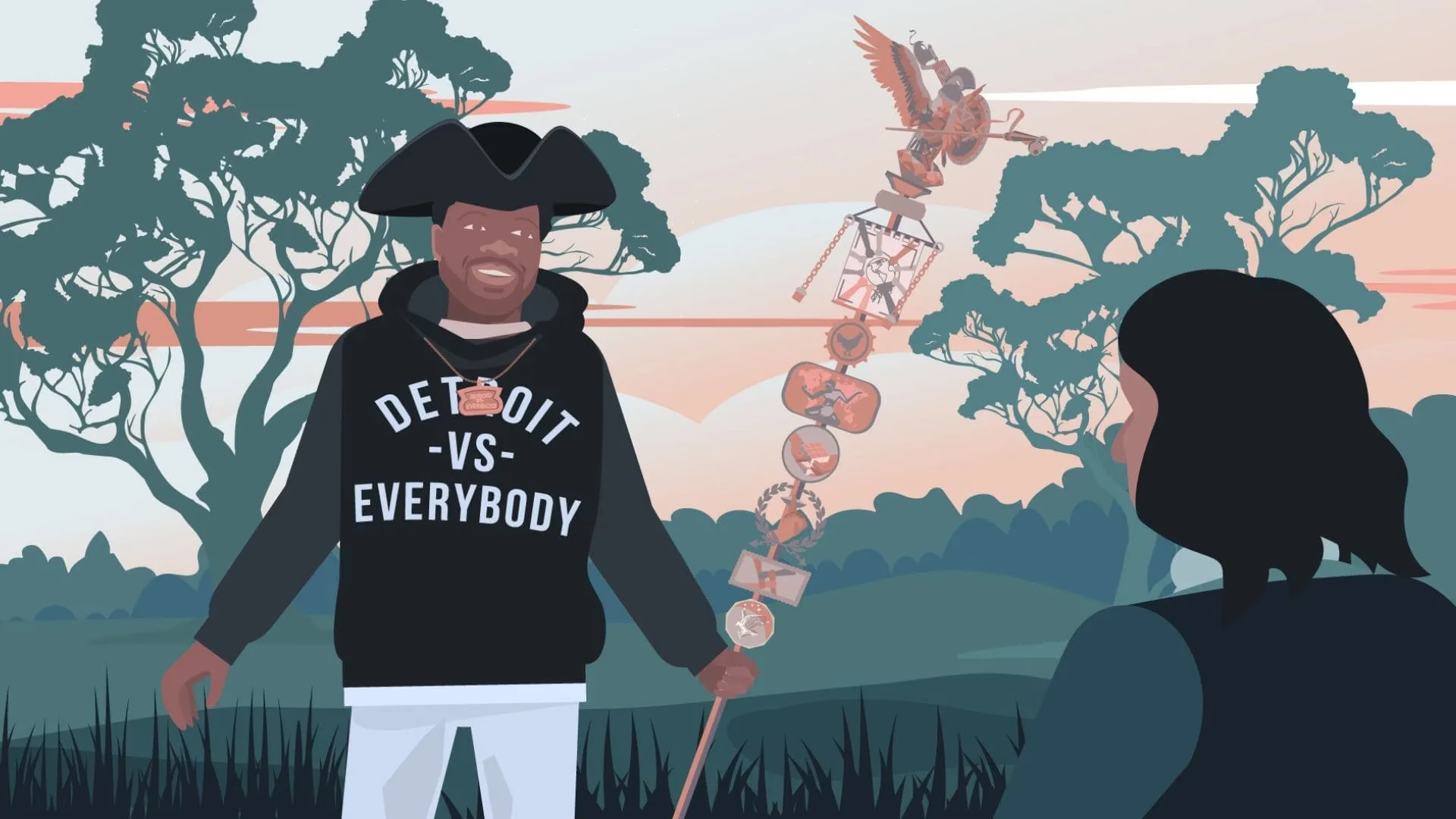
Based on current video storytelling examples, four effective approaches can be distinguished:
Purpose-driven narrative. Brand demonstrates position and values. Forms loyalty and long-term brand identity.
Customer transformation story. The focus is on the client’s change. Effective for SaaS and B2B. If the result is important to you.
Founder-led storytelling. A personal story from the founder builds trust faster than corporate messages.
Cultural relevance storytelling. Integration into the current context (AI, social changes, technologies) for strengthening audience engagement.
Brand identity is the associations in the audience’s consciousness. It is storytelling that manages them.
Systematic use of narrative video:
Increases retention and views
Increases saving and sharing
Stimulates branded search
Emotional storytelling activates many cognitive processes and influences trust and purchase decisions.
yt_iframe
Storytelling is not manipulation. Manipulation causes emotion without depth. Storytelling is built on logical dramaturgy. Here, emotion is a result of transformation.
A strong brand storytelling video always has a strategic goal. That is, this can be positioning, recognizability, or differentiation.
The strongest video storytelling examples demonstrate strategic alignment between the story and business goals.
Startup & Founder Storytelling
A personal story from the founder or the brand’s mission is one of the most effective formats for video storytelling examples. A founder-led narrative shortens the distance between the company and the audience, strengthens brand identity, and increases audience engagement.
Let us together distinguish the main reasons why this works:
- Person above logo. The founder or the team becomes the hero of the video. That increases trust and reach.
- Context instead of a slogan. An explanation of why the brand was created makes the story more understandable and intimate.
- Emotional transformation. The viewer reacts to conflict and character development.
Let us give several examples.
Toys “R” Us – AI-Driven Origin Story
The video tells the story of founder Charles Lazarus and the creation of the brand through the character of the giraffe Geoffrey. Narrative video combines historical context and modern technologies, forming an emotional association with the brand.
yt_iframe
Dove – The Code
The video shows a woman and her interaction with AI. This publication causes a rethinking of beauty standards. Storytelling is built through emotional transformation, focusing on brand values rather than the product.
yt_iframe
Such stories increase trust, shorten the decision-acceptance cycle, and build the brand’s expert reputation.
Structure of an effective founder narrative can include:
Personal point of pain or challenge
Difficult moment or obstacle
Turning point
Mission and vision of the brand
Emotional vs Rational Narratives
Video narratives can be divided into two types: emotional and rational. Each approach has its own goal and effect on the audience. Both are widely used in modern video storytelling examples.
Emotional Narratives
Emotional narrative appeals to feelings, values, and experiences. It creates a strong connection with the audience, forms brand identity, and increases audience engagement through emotional resonance.
For example: Coca‑Cola Masterpiece
The video tells the story of a boy who needs support and inspiration. The whole plot is built around his experiences and small acts of kindness. There is no focus on product. The viewer feels empathy and associates the brand with positive values.
yt_iframe
What makes it effective:
- Hero story that causes emotions;
- Brand associated with values;
- Emotional resonance strengthens memory about the brand and loyalty.
Rational Narratives
Rational narrative relies on logic, facts, and arguments. The main goal of it is to explain why the product or solution is the right choice. It is valuable in B2B, technological, or complex niches, where decisions are bought based on data.
For example: Volvo EX90: Designed to be the safest Volvo car ever made
The video demonstrates the car’s safety and technology through a logical sequence of arguments. Each scene emphasizes functional advantages. Dramaturgy or emotional plot lines are not used. The viewer sees a concrete benefit and understands why this car is the optimal choice.
yt_iframe
What makes it effective:
- Clear explanation of product advantages;
- Demonstration of technologies and safety;
- Logical structure that supports the decision to buy.
| Parameter | Emotional Narrative | Rational Narrative |
|---|---|---|
| Focus | Feelings, values, experiences | Data, logic, argumentation |
| Goal | Strengthen brand and loyalty | Explain advantages and convince in the choice |
| Format | Hero story, emotional transformation | Facts, arguments, product demonstration |
A combination of both approaches is often used in modern video storytelling examples. An emotional scene attracts attention, and a rational demonstration reinforces product choice. Such videos clearly demonstrate how emotional connection and trust can be formed simultaneously through logic.
Why Storytelling Works
This method of communication works according to natural mechanisms of perception, memory, and decision-making. A story structures information, emotion strengthens attention, and the cause-and-effect development of events helps the audience understand the meaning of the message faster.
One can better perceive information when it is logically ordered. A list of functions or characteristics creates fragments. Story forms connections between them. Exactly these connections allow us to remember a message and reproduce it later. In the moment of decision-making.

In complex niches, this is especially noticeable. For example, instead of a list of SaaS platform options, a video can show the team in conditions of chaotic processes. Delays, duplication of tasks, and data losses.

Further, change is demonstrated. Through the implementation of a work structuring tool and the reduction of operational load. The viewer sees an understandable, logical transformation. It is transformation that makes value obvious.

Emotion, in this case, helps identify the problem and attracts attention. Rational arguments reinforce the decision. Such a combination exerts a stronger influence than isolated product characteristics.
For B2B and SaaS, storytelling means a more effective use of marketing budget. When a complex value is explained through an application scenario, it shortens the decision acceptance cycle, reduces the need for additional explanations, and increases conversion, retention, and CLV. Brand is perceived as a solution to a concrete business task.
Storytelling works because it creates context. And context itself builds trust, shapes positioning, and drives long-term brand value.
Applying Storytelling to Ads
Storytelling in advertising works when the viewer feels its value through the plot. In focus is always a person. A hero of video. They can go through challenges, change, and receive results. This specific transformation makes the brand part of the story and leaves a deeper impression compared to a dry demonstration of characteristics.
The effectiveness of such an approach is confirmed by the corresponding data. 92% of consumers prefer advertisements in the form of a story. Plot videos are significantly better remembered and increase trust in the brand. Narrative video allows for combining emotional involvement and rational arguments. The viewer simultaneously experiences the story and understands the practical benefit of the product.
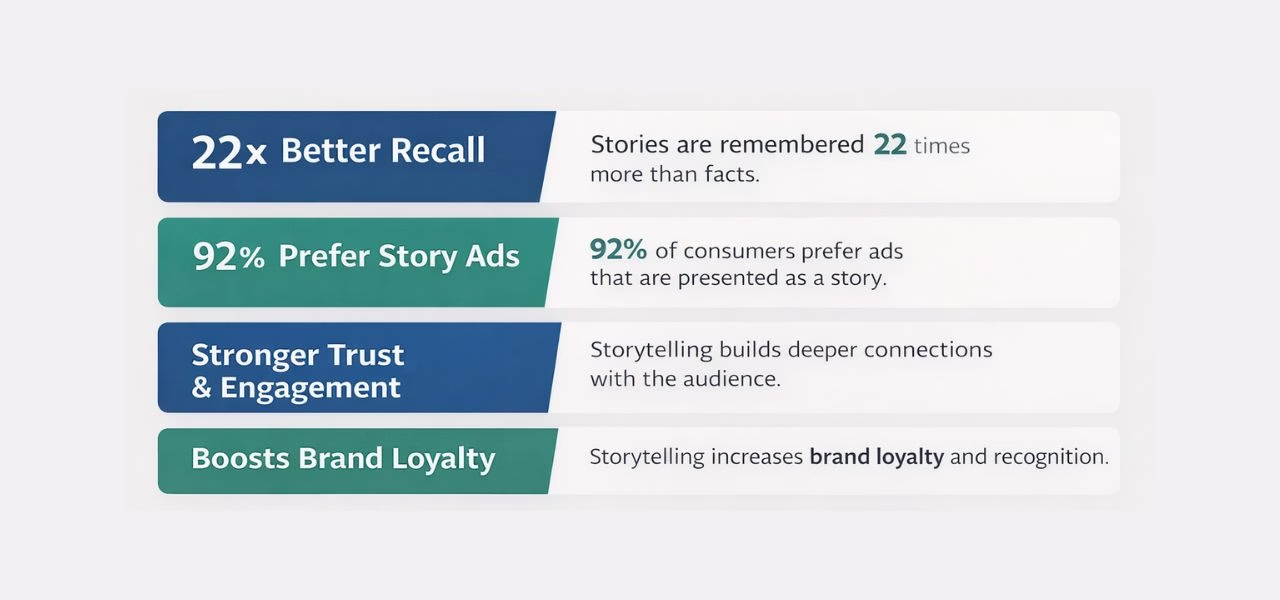
Storytelling becomes a way to stand out amid short performance clips. Short stories on social networks capture attention, longer ones on sites or landings demonstrate the depth of the plot and emphasize product value. This increases engagement and watch time, and forms long-term brand recognizability and loyalty.
| Effect of storytelling | Concrete result for brand |
|---|---|
| Emotional involvement | Increase of attention and engagement |
| Short plots | Fast perception in social networks |
| Rational arguments | Better understanding of product value |
| Hero and transformation | Trust and loyalty of the audience |
| Memorability of story | Increase of recognizability and branded search |
A minimalist infographic next to text emphasizes the same key points. Stories are remembered better than facts, emotional plots increase engagement, and storytelling forms trust and brand recognizability. Such a presentation turns ordinary viewing into interaction and creates real value.
FAQ
What is video storytelling?
It is a presentation of a brand or product through a structured story.
Why is storytelling important in video marketing?
It improves memorability, creates emotional connection, and simplifies complex messages.
How long should a storytelling video be?
The most effective duration is 60-120 seconds. Depending on the platform and the complexity of the topic.
Can storytelling videos increase brand trust?
Yes. The story shows context and real scenarios. Such an approach forms trust and involvement.
What industries benefit from storytelling videos?
SaaS, B2B, medicine, fintech, education, e-commerce, and consumer brands.