Definition
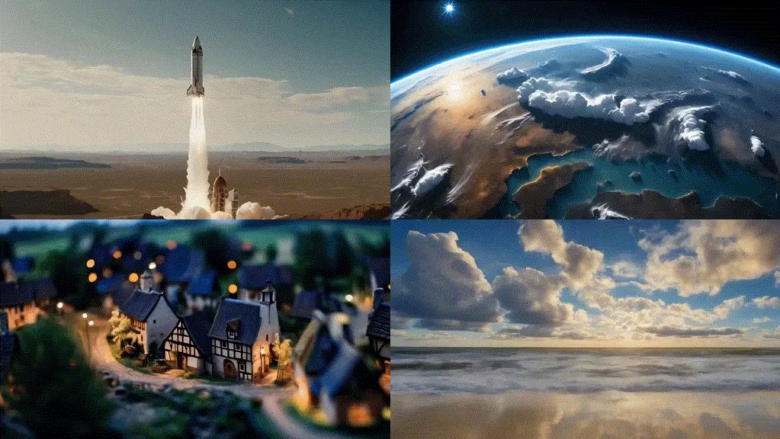
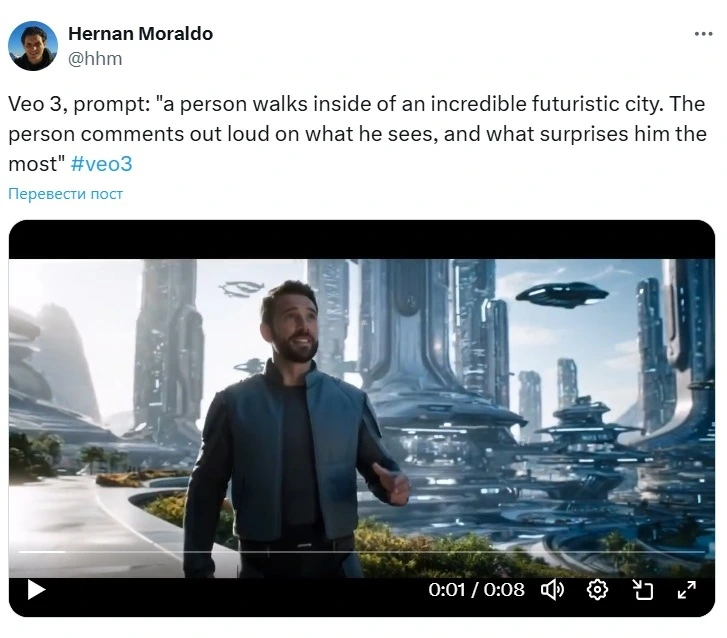
Veo is a video generation model developed by Google DeepMind, introduced in 2024 as a direct competitor to OpenAI’s Sora. It can generate HD videos over a minute long based on text prompts, while maintaining complex scene dynamics, smooth motion, and stylistic consistency.
The model combines diffusion processes with transformer architecture and is trained on a vast dataset of video content – including professionally produced films. As a result, Veo doesn’t just animate movement; it understands scene structure, narrative flow, emotional tone, and visual style.
Uses and Benefits
Veo is designed for cinematic-level video generation, making it especially appealing to studios, creators, and brands looking to produce high-quality content without traditional video production workflows.
It allows users to experiment with styles, composition, and motion even before filming begins. Veo can serve as a previsualization tool for directors, or be used to create music videos, commercials, or even short films. The model supports stylistic prompts (e.g., “in the style of Wes Anderson”) and offers fine-grained control over motion, framing, and atmosphere.
yt_iframe
Key Features
- HD video generation (1080p) lasting over 60 seconds
- Understanding of cinematic style, camera motion, and composition
- Support for stylistic and technical prompts
- Maintains internal logic and narrative continuity
- Tailored for professional use in media and film production
Conclusion
Veo represents Google’s push to elevate video generation to the level of full-scale visual storytelling. With its high output quality, stylistic control, and deep contextual awareness, Veo is positioned not as a toy, but as a production-grade tool. While it’s not yet publicly available, the model already signals a future where ideas can seamlessly become cinematic experiences – powered by AI.