
Contents
What Makes a Brand Mascot Truly Successful? 20 Iconic Brand Mascots and the Secrets of Their Success 1. Bibendum (Michelin Man) 2. Ronald McDonald 3. Mr. Peanut 4. GEICO Gecko 5. Duracell Bunny 6. M&M's Characters 7. Pillsbury Doughboy 8. Kool-Aid Man 9. Tony the Tiger 10. Chester Cheetah Conclusion16 min read
Part 1
A logo helps to recognize a brand, but it is a mascot that often becomes its face. It evokes emotions, tells stories, simplifies communication, and makes interaction with a company more alive.
According to System1, brands which consistently use recognizable characters in their communication can demonstrate up to 37% higher market share compared to competitors who do not have strong brand assets.
The most famous characters of the world ceased to be static illustrations long ago. They move, interact with people, have their own character, and become heroes of advertising stories. It is exactly animation that helps make a mascot recognizable, give it individuality, and maintain interest of the audience for many years.
In the first part, we will consider ten iconic mascots of world brands, learn the history of their creation, and analyze why they became successful.
What Makes a Brand Mascot Truly Successful?
Why do some brand characters disappear after a few years, and others become symbols of companies for decades? The matter is not only in a successful design. The most successful mascots execute a much more important role. They help a brand communicate with people in a simple and recognizable language.
For each character, we will consider the history of its creation, learn what emotions it transmits, how a company uses it in communication, and why it became such an effective marketing tool.
Almost each of the characters has several common traits:
Has its own character;
Evokes certain emotions or associations which a brand wants to fix in the audience;
Is actively used in animation. Advertising commercials, digital campaigns, social networks, or video content;
Is a part of a brand during many years. Not created for one advertising campaign.
20 Iconic Brand Mascots and the Secrets of Their Success
1. Bibendum (Michelin Man)
Brand: Michelin
Industry: Car Tires
One of the Oldest Mascots in the World
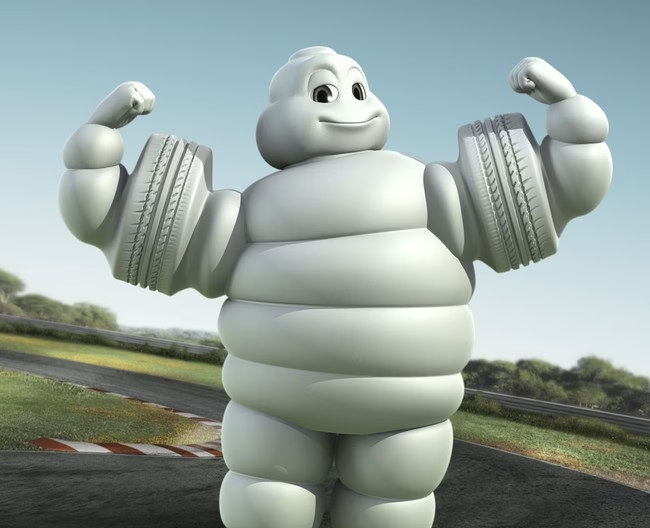
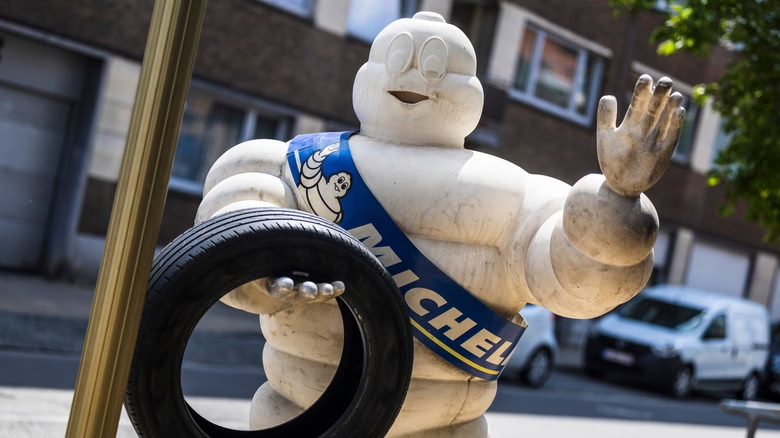
Bibendum, more known as Michelin Man, was created in 1898 and until now remains one of the oldest brand characters which are actively used. His image arose after brothers André and Édouard Michelin noticed that car tires stacked one on another remind a human figure.
Why He Became a Symbol of the Brand
Michelin Man personifies reliability, safety, and many years of experience. The company uses him in advertising, at international auto shows, in digital campaigns and on branded products. He supports recognizability of the brand already for over 125 years.
How Animation Supports the Image
Bibendum regularly appears in animated advertising commercials and CGI advertising. Thanks to movement, facial expressions, and interaction with people, the character remains modern and recognizable for new generations of consumers.
yt_iframe
Lesson for Business: A strong mascot can work for a brand for decades if it is consistently developed and adapted to new formats.
2. Ronald McDonald
Brand: McDonald’s
Industry: Fast Food
A Clown Who Became a Symbol of the Brand
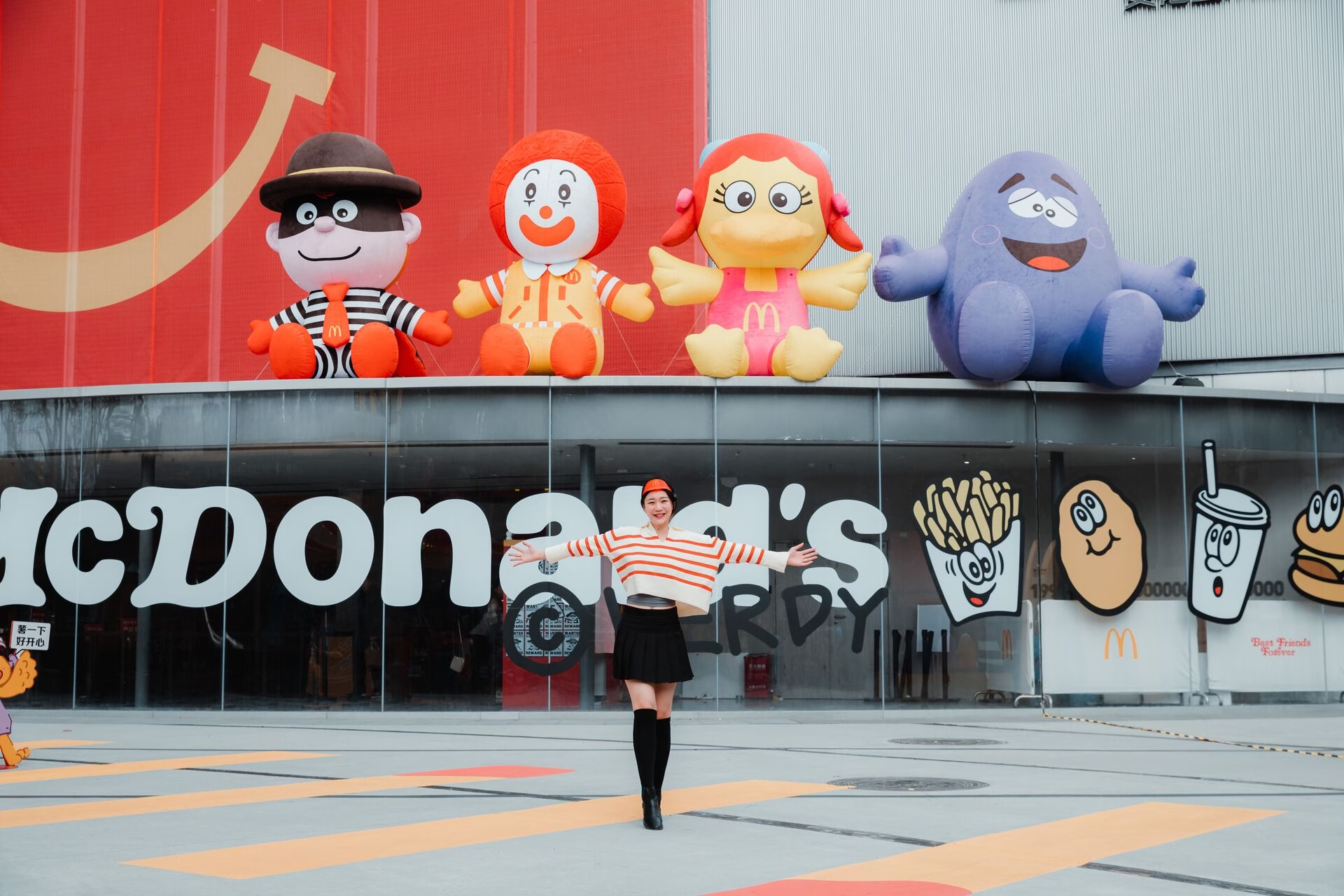
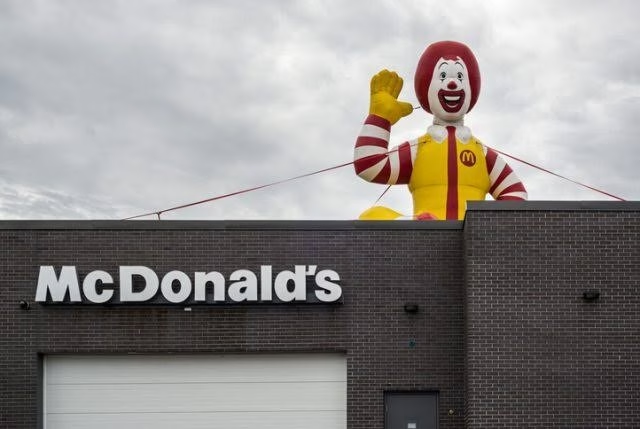
Ronald McDonald first appeared in 1963. He was created to make visiting of restaurants more funny and attractive for families with children. For over 60 years, the character became one of the most famous mascots in the world.
More Than an Advertising Hero
Ronald McDonald is associated with joy and a family atmosphere. He met guests near restaurants, took part in advertising campaigns, children’s events, and became a symbol of the charity organization called Ronald McDonald House Charities.
How the Character Comes to Life
For decades, Ronald McDonald was a hero of television commercials, animated series, and children’s programs. It is the combination of acting play and animation that helped create an image which is easily recognized in the whole world.
yt_iframe
Lesson for Business: A mascot can become an important part of values and reputation of a company.
3. Mr. Peanut
Brand: Planters
Industry: Nuts and Snacks
A Character Which Was Invented by a Schoolboy
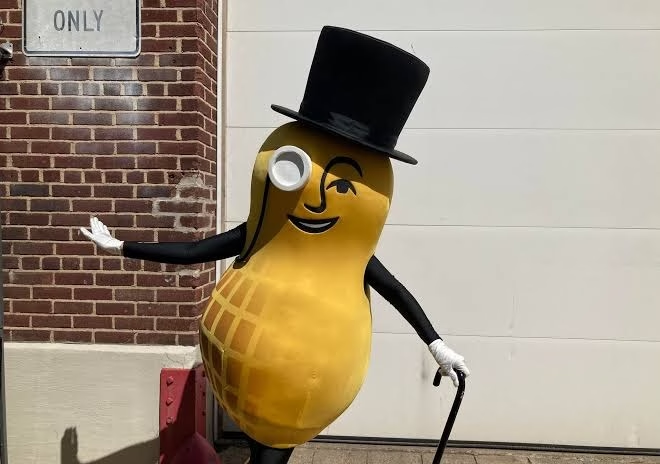
In 1916, the image of an elegant peanut was created by 14-year-old Antonio Gentile, who won in a competition of Planters. Later, artists supplemented the hero with a top hat, a monocle, and a cane, making him a real gentleman.
An Image Which Does Not Age
Mr. Peanut symbolizes quality, traditions, and sophistication. Already for over a hundred years, he remains the face of the brand, appearing on packaging, in advertising, digital campaigns, and special marketing projects.
Classics in a Modern Format
Today, Mr. Peanut is actively used in CGI and animated advertising, which allows the brand to preserve the classic image, at the same time remaining relevant for a new audience.
yt_iframe
Lesson for Business: Even a classic character can remain modern if one regularly updates the ways of its use, without changing its recognizable essence.
4. GEICO Gecko
Brand: GEICO
Industry: Insurance
An Accidental Idea Which Became a Legend
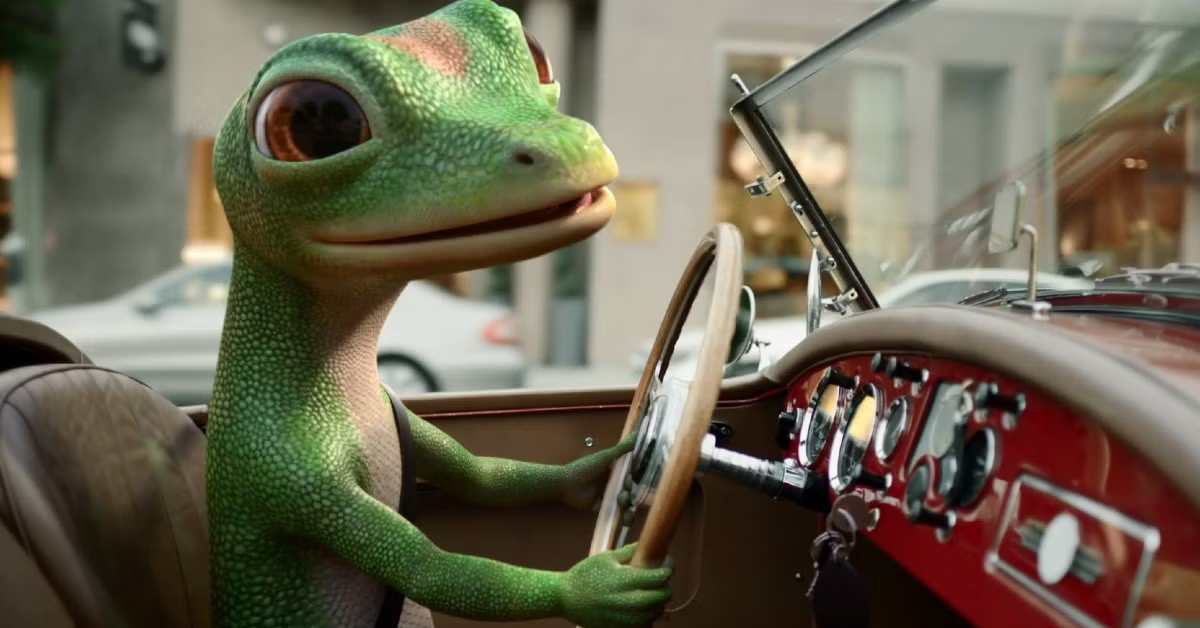
GEICO Gecko appeared in 1999 during a strike of actors in the USA. At first, a small animated gecko was a temporary solution. Eventually, he quickly turned into the main symbol of the company.
How to Make a Complex Service Closer to People?
A friendly gecko helped change the perception of insurance, making the brand more open and friendly. Because of this, GEICO managed to stand out among competitors.
A Character Created for Animation
Gecko almost completely exists thanks to animation. His facial expressions and charisma made the hero so alive that many people associate the brand primarily with him.
yt_iframe
Lesson for Business: A well-thought-out character helps to make even a complex product simpler and closer for clients.
5. Duracell Bunny
Brand: Duracell
Industry: Batteries
A Bunny Which Does Not Stop
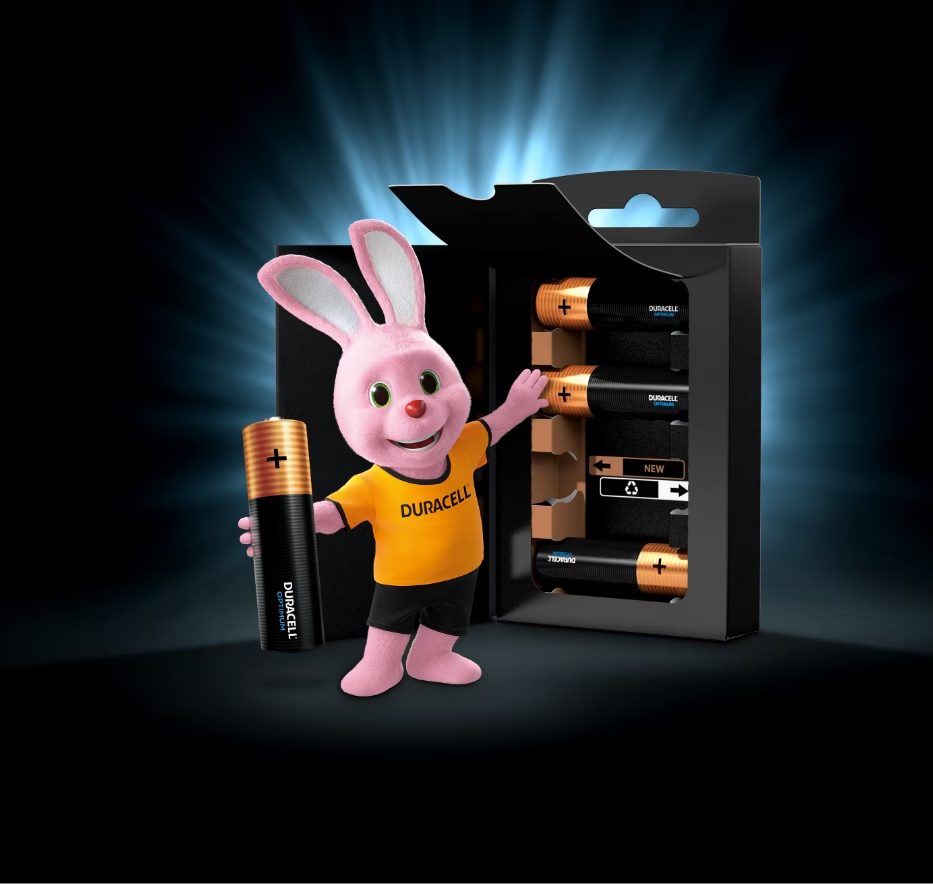
Duracell Bunny debuted in 1973 in an advertisement where several toy bunnies worked on batteries of different brands. Only one of them continued to move. It was the one that operated on Duracell batteries.
yt_iframe
A Mascot Which Demonstrates a Product Without Words
The tireless bunny became a symbol of longevity and endurance of batteries. Instead of technical characteristics, the brand showed the main advantage of the product through a simple and understandable image.
The Power of Movement in Animation
In advertising commercials, Duracell Bunny constantly runs, turning animation into a visual demonstration of long work of batteries.
yt_iframe
Lesson for Business: It takes just a few seconds for the best mascots to explain the main advantage of a product.
6. M&M’s Characters
Brand: M&M’s
Industry: Candy
Each Dragee Has Its Own Character
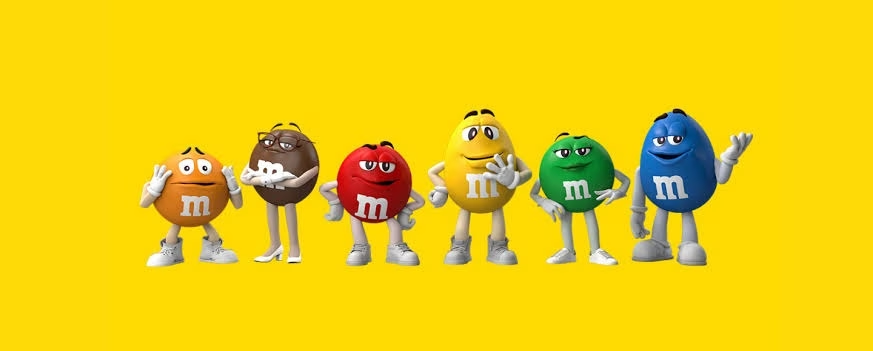
M&M’s mascots appeared in 1954, but they gained real popularity in 1995. The brand presented animated characters with different characters. The most famous of them are Red, Yellow, Blue, Green, Orange, Brown, and Purple.
Why Are They So Well Remembered?
Instead of one mascot, M&M’s created a whole acting cast. Each character has its own temperament, manner of communication, and sense of humor. Therefore, different audiences easily find a favorite hero for themselves.
This makes advertising diverse and helps the brand constantly invent new stories.
Animation as the Basis of the Brand
Practically all advertising campaigns of M&M’s are built around 3D animation. Characters argue, joke, get into funny situations, and interact with people, turning an ordinary product into heroes of short comedy plots.
yt_iframe
Lesson for Business: A mascot does not obligatorily have to be one. If a brand has several characters with different characters, this opens more possibilities for storytelling and long-term advertising campaigns.
7. Pillsbury Doughboy
Brand: Pillsbury
Industry: Food Products
A Laugh Which Generations Know
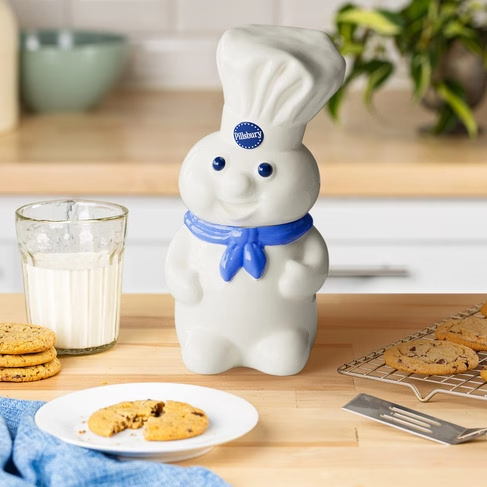
Pillsbury Doughboy debuted in 1965 and quickly became one of the most famous advertising characters in the USA. He is easily recognized by his white cook hat and characteristic laugh which sounds when he is touched by the stomach.
A Character That Evokes Warm Emotions
Doughboy is associated with comfort and family traditions. That’s why the brand has used him for decades as a symbol of simplicity and joy from preparation of food.
How Animation Brought Dough to Life?
From the first advertising commercials with stop-motion animation to modern CGI advertising, Doughboy has always been a character who laughs and interacts with people. This feature alone made him much more recognizable than an ordinary logo or packaging.
yt_iframe
Lesson for Business: If a character evokes positive emotions, it helps form trust in a brand even before acquaintance with a product.
8. Kool-Aid Man
Brand: Kool-Aid
Industry: Beverages
A Hero Who Literally “Bursts” Into Advertising
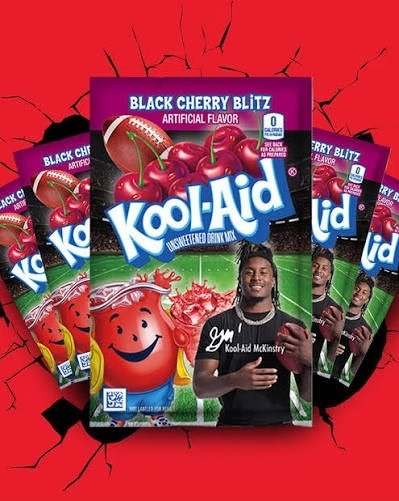
Kool-Aid Man first appeared in 1954, but he became a real legend after television commercials in which he broke through a wall with a loud exclamation “Oh Yeah!” and brought children a drink. This phrase became a part of American pop culture long ago.
yt_iframe
Why Is It Impossible to Forget Him?
A big smiling jug with a drink personifies fun, energy, and carelessness. His appearance always means the beginning of something exciting, meaning the character excellently works for emotional recognizability of a brand.
When Animation Becomes a Spectacle
Kool-Aid Man almost always appears in animated or combined advertising commercials, where he interacts with people and destroys common rules. Precisely because of movement and exaggerated scenes, the character became iconic.
Lesson for Business: Sometimes one bright action or phrase can make a mascot more recognizable than the product itself.
9. Tony the Tiger
Brand: Kellogg’s Frosted Flakes
Industry: Breakfast Cereals
Over 70 Years on Boxes and in Advertising
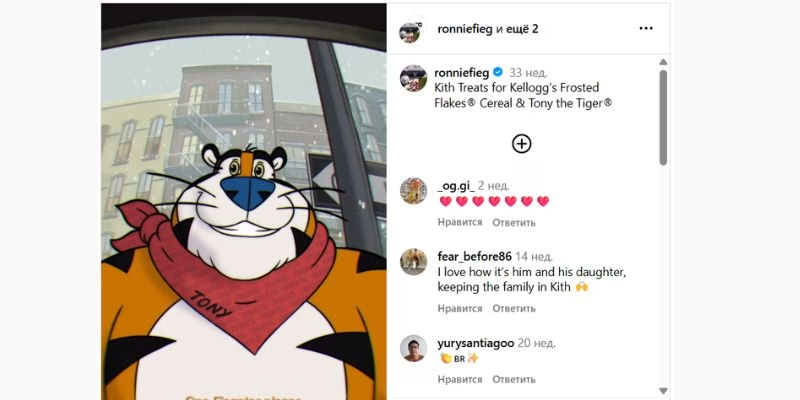
Tony the Tiger was introduced in 1952 and quickly became the main symbol of Frosted Flakes. His phrase “They’re Grrreat!” is one of the most famous advertising lines in the world.
An Image That Motivates
Tony symbolizes strength, optimism, energy, and a sporty lifestyle. Because of this, the brand often uses him in campaigns connected with children’s sports and healthy habits.
The Character Comes to Life
In television commercials and digital campaigns, Tony actively moves, does sports, supports children and interacts with other heroes. Animation allows to transmit his energetic character significantly better than any static image.
yt_iframe
Lesson for Business: A mascot works best when it consistently transmits one and the same idea. In the case of Tony the Tiger, it is energy and positive.
10. Chester Cheetah
Brand: Cheetos
Industry: Snacks
The Most Charismatic Cheetah in Advertising
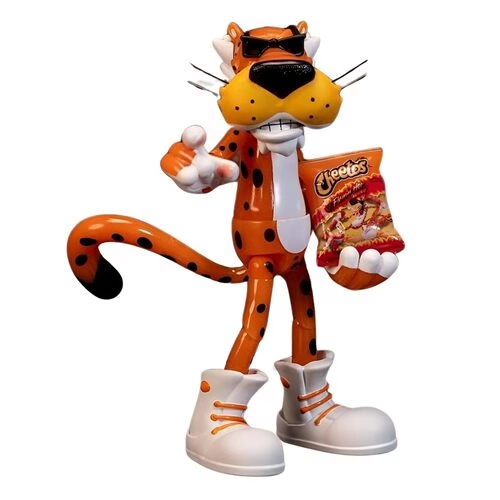
Chester Cheetah became the official mascot of Cheetos in 1986. Unlike many friendly characters, he received an image of a slightly cheeky and very self-confident hero.
Why Did He Become Iconic?
Chester personifies freedom and a light breaking of rules. These specific traits made him especially popular among teenagers and young audience. The brand’s advertising campaigns were created for them.
Animation as the Main Tool
In most advertising commercials, Chester gets into funny adventures, uses his ingenuity, and invariably finds himself near a pack of Cheetos. Thanks to animation, the character received such a bright character that he is often remembered even better than separate advertising plots.
yt_iframe
Lesson for Business: Not all mascots must be perfect. A bright individuality and charisma can make a character much closer to the target audience than a flawless but emotionless image.
Conclusion
Behind each of the mascots stands a successful strategy and many years of development of the image. Precisely because of this, they long ago became full-fledged symbols of their brands.
In the second part, we will consider ten more famous mascots, among which are Duo Owl from Duolingo, Android Robot, Freddie the Chimp from Mailchimp, Red Bull Bulls, and other examples.